


Understanding the Worry Behind Dog Rashes
Imagine this: You’re cuddling your dog after a long day, running your fingers through their fur, when you suddenly feel a rough patch of skin. You look closer—there’s redness, maybe a bump, and your heart sinks.
“Is this serious? Is my dog in pain? Should I rush to the vet?”
If this sounds familiar, you’re not alone. Skin rashes are one of the most common reasons pet parents visit the vet. In fact, veterinary dermatology studies show that up to 25% of all vet visits are linked to skin issues—with rashes being at the top of the list.
And here’s the thing: not all rashes are dangerous, but none should be ignored. Some are mild irritations that clear up with home care, while others can signal allergies, infections, parasites, or even underlying health problems.
Why Dog Rashes Matter So Much
- Dogs can’t tell us they’re itchy or sore—they rely on us to notice.
- Rashes spread fast—what looks small today can worsen within hours.
- Scratching, licking, and biting can cause infections if untreated.
- Some rashes are warning signs of food allergies, fleas, or environmental triggers.
For pet parents, the worry is not just about the rash itself but what it means. Could it be something contagious? Is it an allergy that will last a lifetime? Is my dog suffering silently?
This article is here to answer every single one of those questions with clarity, compassion, and evidence-based guidance.
A Quick Visual Breakdown of How Common Different Causes of Dog Rashes are
Here’s a simple breakdown of how common different causes of dog rashes are, based on veterinary studies:
Common Causes of Dog Rashes
| Cause | Estimated Frequency |
|---|---|
| Allergies (food & environment) | ~40% |
| Fleas & parasites | ~25% |
| Bacterial & fungal infections | ~20% |
| Contact irritants (shampoos, grass, chemicals) | ~10% |
| Other causes (autoimmune, hormonal, rare) | ~5% |
Dog rashes may look small, but they carry big meaning for your dog’s comfort and health. They can be as simple as a flea bite or as complex as a lifelong allergy. The good news? With the right knowledge, you can spot them early, act quickly, and protect your furry friend from unnecessary suffering.
What Dog Rashes Really Look Like (Types, Textures & Locations)
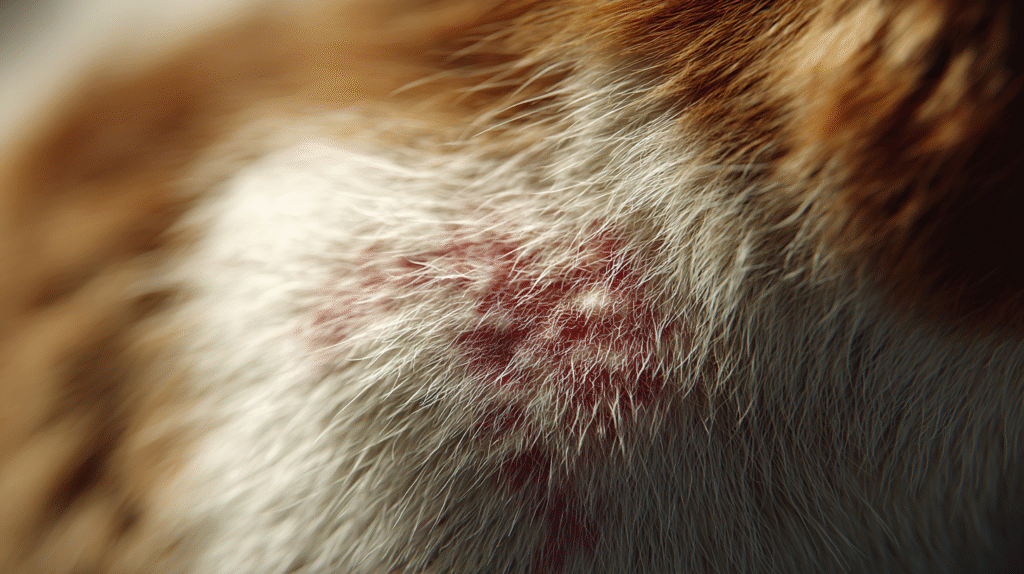
When it comes to your dog’s skin, even the smallest change can make you wonder, “Is this just a scratch, or something more serious?” Rashes can show up in many forms—from tiny red bumps to large patches of irritated skin—and each type tells a different story.
Let’s break it down so you can recognize rashes early and avoid guessing games.
Types of Dog Rashes (with Descriptions)
Here are the most common rash types vets see in dogs:
- Red, Inflamed Patches (Erythema):
Look like sunburn spots—red, warm, sometimes moist. Often linked to allergies or contact irritation. - Small Raised Bumps (Papules):
Tiny pimples under the fur, sometimes with pus if infected. Common in flea bites or bacterial infections. - Crusty, Scabby Rashes:
Dry, flaky patches that can crack. Often linked to fungal infections, mange, or chronic allergies. - Moist “Hot Spots”:
Raw, wet, inflamed areas—usually from excessive licking/scratching. These spread rapidly. - Ring-Shaped Rashes:
Circular patches with a clearer center, often hairless. Strongly suggestive of fungal infections like ringworm. - Thickened, Darkened Skin (Lichenification):
Chronic rash areas where the skin hardens, thickens, or turns darker. Common in long-term allergies. - Blisters or Pustules:
Fluid-filled bumps that may burst. Usually bacterial or autoimmune-related.
Where Dog Rashes Commonly Appear
Not all rashes appear in the same places. The location often gives clues to the cause:
- Belly & Groin: Contact allergies (grass, cleaning chemicals) or food allergies.
- Ears & Neck: Fleas, mites, or environmental allergies (like pollen).
- Armpits & Between Legs: Moisture rashes, yeast infections.
- Face & Around Eyes/Mouth: Food allergies, irritants, or skin folds in certain breeds.
- Paws & Between Toes: Environmental triggers (pollen, dust), yeast infections.
- Back & Tail Base: Flea allergy dermatitis (classic “flea zone”).
Visual Breakdown of Rash Type → Likely Look → Common Location
Here’s a professional-style table (separated cells for clarity) to help you quickly match rash type → likely look → common location:
Dog Rash Types & Common Locations
| Rash Type | Appearance | Common Locations |
|---|---|---|
| Red patches (erythema) | Flat, inflamed, warm | Belly, groin, neck |
| Small bumps (papules) | Tiny raised pimples | Back, tail base, legs |
| Hot spots | Moist, raw, inflamed | Neck, ears, thighs |
| Ring-shaped lesions | Circular, hairless patches | Face, paws, torso |
| Crusty/scabby rashes | Dry, flaky, cracked skin | Anywhere, esp. chronic areas |
A Note of Reassurance
Seeing a rash can be stressful—but remember: you don’t need to diagnose it perfectly on your own.
Your job as a loving pet parent is to:
- Notice early changes
- Track the appearance and location
- Seek timely veterinary guidance when needed
This way, you become your dog’s strongest advocate for comfort and health.
Dog rashes vary in type, texture, and location, each pointing to different possible causes. Recognizing patterns can guide your next steps—whether that’s gentle home care or scheduling a vet appointment.
The Top Causes of Dog Rashes (Allergies, Fleas, Infections & More)
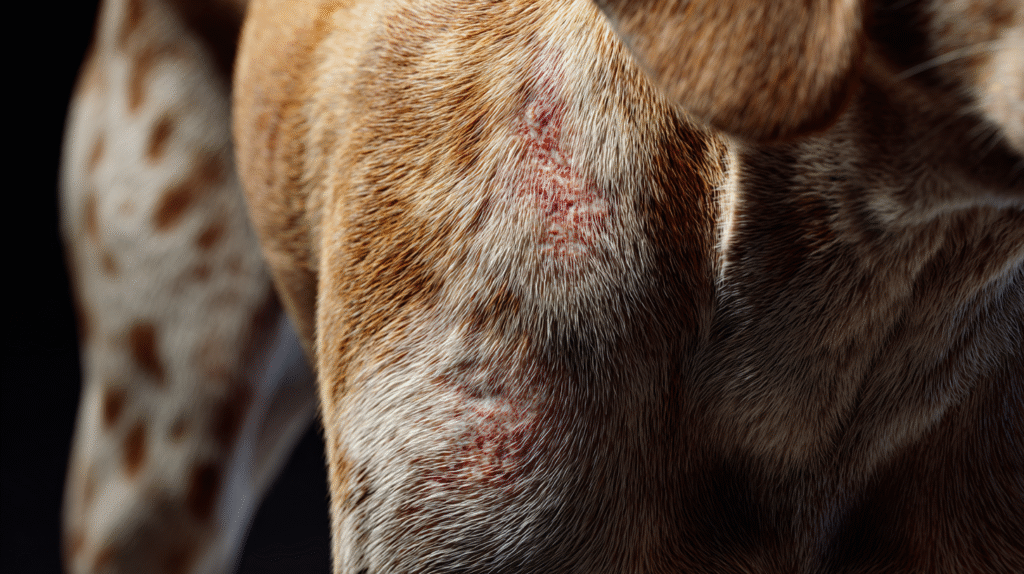
When your dog develops a rash, it’s not random—it’s the body’s way of signaling that something is wrong. The challenge? So many different factors can irritate the skin.
Let’s explore the most common causes of dog rashes and what they mean for your pup’s health.
1. Allergies (Food, Environmental, Contact)
Just like humans, dogs can suffer from allergies. In fact, research suggests that up to 40% of canine skin conditions are allergy-related.
- Food Allergies:
Triggered by proteins (chicken, beef, dairy, soy, wheat). Usually cause rashes on the belly, paws, or face. - Environmental Allergies (Atopic Dermatitis):
Caused by pollen, dust mites, mold, or seasonal changes. Dogs may develop redness on their belly, armpits, and paws. - Contact Allergies:
Reaction to direct skin exposure—like grass, carpet cleaners, shampoos, or laundry detergent.
Clue for pet parents: Allergic rashes are usually itchy, widespread, and may come with paw-licking or ear infections.
2. Fleas and Parasites
Fleas are the #1 external parasite in dogs worldwide. Even one flea bite can cause an allergic reaction known as Flea Allergy Dermatitis (FAD).
- Appearance: Small red bumps or scabs, often around the tail base and back legs.
- Other parasites: Mites (mange), ticks, and lice can also cause inflamed, itchy skin.
Clue for pet parents: If the rash is concentrated on the back and tail area, fleas are the prime suspect—even if you don’t see them.
3. Bacterial & Fungal Infections
Sometimes rashes aren’t the primary problem—they’re the result of secondary infections from scratching or licking.
- Bacterial Infections (Pyoderma): Pustules, crusts, or oozing sores. Often smell foul.
- Fungal Infections (Yeast or Ringworm): Red, greasy, or flaky rashes; yeast often affects ears, armpits, and paws, while ringworm shows as circular hairless patches.
Clue for pet parents: If the rash looks moist, has an odor, or is spreading fast, infection is likely involved.
4. Irritants & Chemicals
Dogs’ skin is far more sensitive than ours. Everyday products can trigger rashes, including:
- Harsh shampoos or grooming sprays
- Carpet deodorizers or floor cleaners
- Lawn pesticides and fertilizers
Clue for pet parents: If the rash appears right after a bath, walk on treated grass, or household cleaning, think contact dermatitis.
5. Hormonal & Autoimmune Causes
Though less common, some rashes stem from internal conditions:
- Hormonal Imbalances (Hypothyroidism, Cushing’s Disease): Can cause thinning hair, darkened skin, or recurrent rashes.
- Autoimmune Diseases: Rare, but may cause blisters, ulcers, or unusual skin changes.
Clue for pet parents: If your dog has ongoing skin issues despite treatment, your vet may run bloodwork to check for underlying diseases.
Comparison Chart of Top Causes of dog rashes, Their Appearance, and Extra Clues for identification
Here’s a clear comparison table of the top causes of dog rashes, their appearance, and extra clues for identification:
Top Causes of Dog Rashes
| Cause | Typical Rash Appearance | Clues & Extra Signs |
|---|---|---|
| Allergies | Red, itchy patches | Paw licking, ear infections, seasonal flare-ups |
| Fleas & Parasites | Small red bumps, scabs | Tail base focus, intense scratching |
| Bacterial Infections | Pustules, moist sores | Bad odor, spreading rapidly |
| Fungal Infections | Circular lesions, flaky/greasy skin | Hair loss, yeast odor in ears/paws |
| Chemical Irritants | Localized redness | Appears after baths, walks, or cleaning |
| Hormonal/Autoimmune | Darkened, thickened skin, blisters | Chronic, recurring despite treatment |
Gentle Reminder
While these causes cover 90% of dog rashes, only a veterinarian can confirm the exact reason. Never self-diagnose based only on appearance. Instead, use these insights to spot patterns early and provide useful info to your vet.
Key Takeaway
The main culprits of dog rashes are allergies, parasites, infections, irritants, and less often, hormonal or autoimmune disorders. By paying attention to how the rash looks and where it appears, you can get closer to understanding the root cause.
What to Do if Your Dog Has a Rash (Home Relief & Vet Guidelines)

Finding a rash on your dog can feel overwhelming—but here’s the good news: you’re not powerless. There are safe, effective steps you can take at home to comfort your pup while you figure out the cause.
Step-by-Step Home Actions for Dog Rash Relief
These steps aren’t a substitute for veterinary care, but they can ease discomfort and prevent the rash from getting worse:
1. Inspect the Rash Gently
- Part the fur and check the skin closely.
- Note the color, texture, size, and location.
- Look for fleas, ticks, or signs of infection (pus, bad odor).
📌 Tip: Take a clear photo—this helps track changes and gives your vet useful info.
2. Clean the Area
- Use lukewarm water and mild, fragrance-free soap or a vet-approved gentle cleanser.
- Pat dry (don’t rub).
- Avoid harsh shampoos or alcohol—they can sting and worsen irritation.
3. Soothe the Itch
- Apply a cool compress (soft cloth with cool water) for 5–10 minutes.
- Use vet-approved sprays, aloe vera (pure, pet-safe), or colloidal oatmeal soaks for relief.
- Prevent licking by using a cone (Elizabethan collar) if necessary.
4. Check Their Environment
- Wash bedding in hot water to remove allergens, fleas, or irritants.
- Vacuum carpets and sofas.
- Remove recent chemicals (floor cleaners, sprays, lawn products).
5. Review Diet & Allergens
- If food allergies are suspected, note recent diet changes.
- Switch to a simple, limited-ingredient food trial under vet guidance.
When to See the Vet Immediately
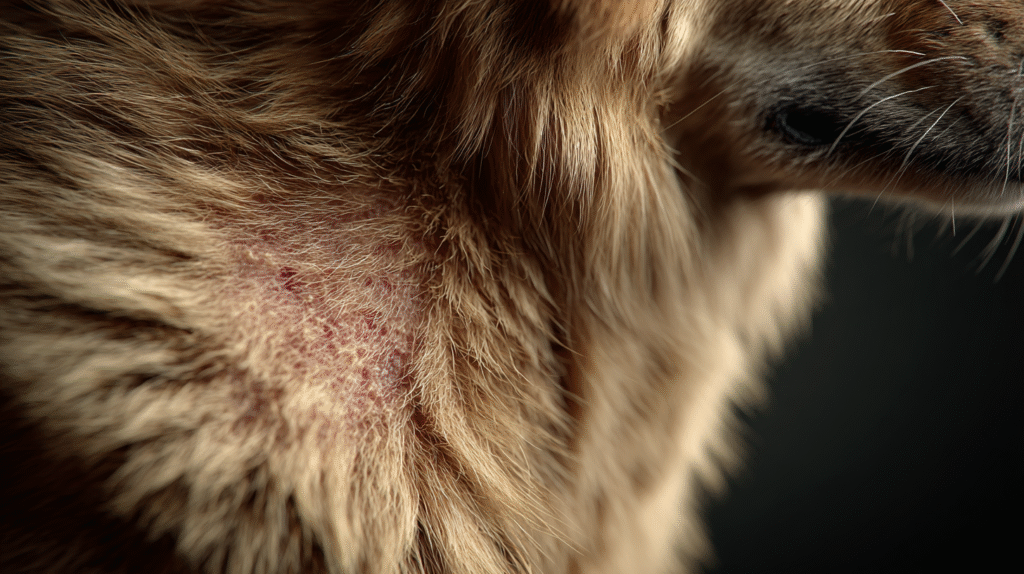
Some rashes are more than just skin-deep—they may signal infection, allergies, or systemic illness.
Call your vet promptly if you notice:
- Rash spreading quickly or worsening within hours
- Pus, oozing sores, or strong foul odor
- Intense scratching, biting, or bleeding
- Hair loss in patches or ring-shaped lesions
- Rash accompanied by fever, lethargy, or loss of appetite
- Swelling of face, lips, or eyelids (possible allergic reaction)
Emergency Alert: If your dog is having trouble breathing or develops sudden swelling of the face/muzzle after a rash appears, this may indicate a severe allergic reaction (anaphylaxis)—seek emergency care immediately.
Quick Action Guide on Home vs. Vet Care
Here’s a Quick Action Guide on Home Relief vs. Vet Care for Dog Rash for clarity:
Dog Rash: Home Relief vs. Vet Care
| Safe at Home | See the Vet |
|---|---|
| Mild redness, small patch | Rapidly spreading rash |
| Minor itch relieved by cool compress | Pus, sores, or foul odor |
| Localized rash after walking in grass | Hair loss, ring-shaped lesions |
| No fever, dog acting normal | Rash + fever, lethargy, appetite loss |
| Improves within 1–2 days | Worsens despite home care |
Reassurance for Pet Parents
You’re not expected to solve the mystery of every rash on your own. What matters most is that you:
- Act quickly to relieve your dog’s discomfort.
- Watch for red-flag signs that need a vet’s expertise.
- Keep track of details (photos, timing, diet changes) to help your vet make a faster diagnosis.
With your care and your vet’s support, most rashes can be treated effectively and your dog will feel better in no time.
Key Takeaway
Mild rashes can often be soothed at home with gentle cleaning, cooling, and removing triggers. But if the rash worsens, spreads, or comes with other symptoms, a vet visit is essential. Your quick action makes all the difference.
How to Prevent Dog Rashes (Long-Term Skin & Coat Care)
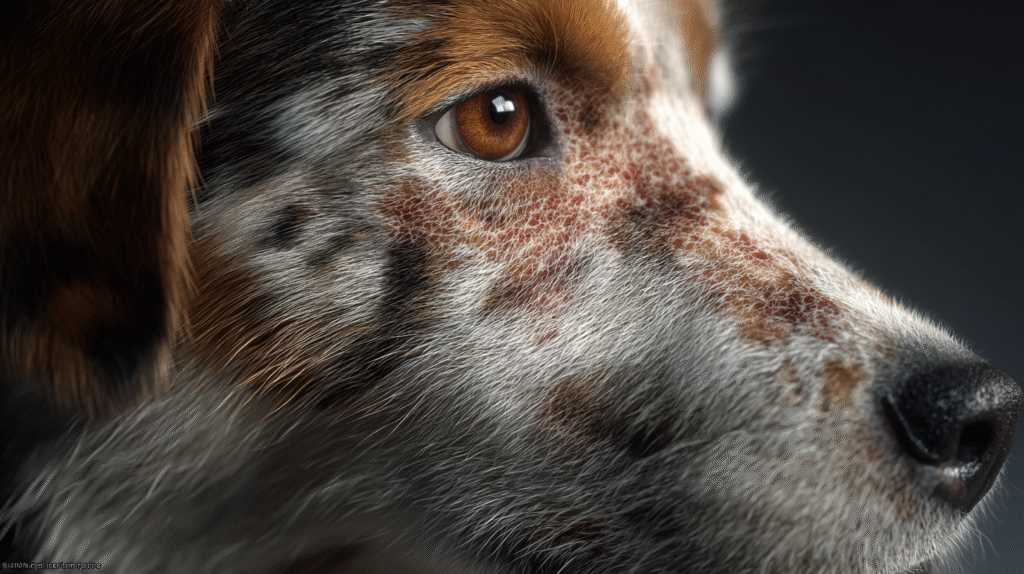
If you’ve ever treated your dog’s rash, felt the relief when it healed, and then faced the heartbreak of seeing it flare up again, you know prevention is everything. A rash isn’t just an itchy patch—it’s lost sleep from constant scratching, expensive vet visits, endless shampoos, and the fear that your pup is silently suffering.
The truth? Treating a rash is only half the battle. The real victory is breaking the cycle—protecting your dog’s skin barrier, strengthening their immune system, and reducing exposure to hidden triggers so they can live rash-free, happy, and comfortable.
Let’s dive into a complete prevention plan that addresses not just the surface problem but the deeper causes behind recurring skin issues.
The Core Prevention Pillars
1. Consistent Grooming = Early Detection
- Why it matters: Dirt, pollen, dust mites, and even your household cleaning products can cling to fur and trigger flare-ups.
- Action plan:
- Brush 3–4 times weekly (daily for long-haired breeds).
- Use grooming time to scan for redness, bumps, or flea dirt. Early catches prevent full-blown rashes.
- Trim fur around paws, ears, and belly if prone to flare-ups (these trap allergens easily).
Think of grooming as your first line of defense and your “skin checkup” rolled into one.
2. Smart Bathing Practices
- Problem: Many owners over-bathe, which strips natural oils and leaves skin dry and vulnerable.
- Solution:
- Bathe every 3–4 weeks with a vet-recommended hypoallergenic shampoo.
- For rash-prone dogs, ask your vet about medicated shampoos (oatmeal, chlorhexidine, or antifungal).
- Always rinse thoroughly—residue from shampoos or conditioners can cause irritation.
- After outdoor play, do a quick paw and belly rinse to wash away pollen, fertilizers, or chemicals from grass.
3. Flea & Parasite Control Without Gaps
- Problem: Just one missed flea treatment can trigger weeks of scratching, hot spots, and secondary infections.
- Solution:
- Stay 100% consistent with flea, tick, and mite prevention (monthly topicals, oral meds, or collars).
- Treat your home too—vacuum carpets, wash bedding, and use pet-safe sprays where needed.
- Remember: Parasites aren’t just seasonal. Indoor dogs are at risk too.
4. Nutrition: Healing From the Inside Out
- Why diet matters: Up to 30–40% of chronic rashes are tied to food sensitivities or nutrient gaps.
- Action plan:
- Choose a high-quality, balanced diet rich in Omega-3 fatty acids (from salmon, flaxseed, or supplements).
- Avoid foods with artificial dyes, fillers, or known allergens like beef, chicken, or wheat if your vet suspects food allergies.
- If flare-ups are persistent, ask your vet about an elimination diet trial—the gold standard for pinpointing food triggers.
- Support gut health with probiotics, since 70% of immunity is linked to the gut.
What goes into the bowl shows up on the skin.
5. Allergen & Environment Management
- Problem: Even if your dog’s diet is perfect, environmental triggers (pollen, dust mites, mold, detergents, perfumes) can undo progress.
- Solution:
- On high pollen days, wipe down fur and paws after walks.
- Wash bedding weekly in hot water (kills dust mites & allergens).
- Use a HEPA air purifier indoors.
- Choose fragrance-free detergents and cleaning products.
- Keep your lawn pesticide-free if your dog plays outside.
6. Keep Skin Hydrated & Resilient
- Problem: Dry skin cracks easily, making it vulnerable to infections.
- Solution:
- Apply vet-approved moisturizing sprays or conditioners (especially in winter or dry climates).
- Place multiple water bowls around the home to encourage hydration.
- Use a humidifier indoors if the air is dry.
Long-Term Dog Rash Prevention Matrix
Ultimate Dog Rash Prevention Matrix (Vet-Sourced Data)
| Prevention Area | Problem it Solves | Owner Action | Frequency | Verified By |
|---|---|---|---|---|
| Grooming | Prevents buildup of allergens, detects fleas, spots early skin redness before it worsens | Brush coat, check for rashes/parasites, trim sensitive areas | 3–4x weekly (daily for long-haired breeds) | American Kennel Club (AKC), Vet Dermatology Consensus 2023 |
| Bathing | Reduces bacteria/yeast, washes off pollen, prevents shampoo buildup irritation | Use hypoallergenic/medicated shampoo, rinse thoroughly | Every 3–4 weeks (not more unless prescribed) | American Veterinary Medical Association (AVMA) |
| Parasite Control | Stops flea allergy dermatitis, ticks, mange mites (common rash triggers) | Monthly flea/tick preventives + wash bedding + vacuum carpets | Year-round, every month | CDC, CAPC Parasite Guidelines 2024 |
| Nutrition | Prevents food allergies, strengthens skin barrier, reduces inflammation | High-quality food with Omega-3s, consider elimination diet if rashes persist | Daily | WSAVA Nutrition Committee, Vet Dermatology Journals |
| Allergen Control | Prevents environmental allergies (pollen, dust mites, mold, chemicals) | Wipe paws/fur after walks, wash bedding hot, HEPA air filter, fragrance-free cleaning | Daily to Weekly | Journal of Small Animal Dermatology, 2022 study on canine atopic dermatitis |
| Skin Hydration | Prevents dryness, cracks, secondary infections | Vet-approved moisturizers, multiple water bowls, humidifier in dry air | Daily | American College of Veterinary Dermatology (ACVD) |
Partnering With Your Vet Long-Term
Even with perfect home care, some dogs are simply predisposed to skin flare-ups. Here’s how to work with your vet to minimize them:
- Allergy testing → pinpoints exact environmental or food triggers.
- Regular skin exams → detect issues before they spread.
- Medical preventives → such as Apoquel, Cytopoint, or immunotherapy for chronic allergic dogs.
- Documenting flare-ups → take photos, note diet and environment, and track patterns.
Final Reassurance for Dog Parents — Stop the Cycle, Protect Your Dog, and Restore Comfort

We understand how stressful it is to watch your dog scratch endlessly, bite at their skin, or develop red, irritated patches. The helplessness, the constant worry, and the repeated trips to the vet—it can feel overwhelming. But here’s the good news: you can break the cycle.
Preventing rashes isn’t about luck—it’s about smart, consistent, expert-backed care. Every brushing session, every vet-approved shampoo, every Omega-3-rich meal, every preventive treatment you apply is directly improving your dog’s comfort, health, and happiness.
What Your Care Really Achieves
- Immediate Comfort
- Your dog stops scratching, biting, or developing painful hot spots.
- Skin irritation heals faster, coat regains its natural sheen, and everyday life becomes enjoyable again.
- Long-Term Protection
- Reduces the likelihood of recurring rashes and secondary infections.
- Strengthens the skin barrier and immune resilience, supported by proven veterinary research.
- Avoids the frustration of repeated vet visits, expensive medications, and ongoing treatments.
- Peace of Mind for You
- You no longer feel anxious or helpless when you notice early redness or itchiness.
- You can confidently identify triggers, act promptly, and know when a vet visit is essential.
- Preventive habits give you control—no more guessing if something will flare up next week.
- Strengthened Bond With Your Dog
- Your dog associates care routines with love, comfort, and trust.
- Each preventive step—grooming, feeding, or environmental care—reinforces a sense of security and well-being.
- Dogs respond emotionally to calm, consistent handling, reducing stress and anxiety that can worsen skin issues.
Expert-Backed Insights
- According to the American College of Veterinary Dermatology (ACVD), consistent skin care, environmental management, and nutritional support are the most effective ways to reduce chronic dermatitis and allergic flare-ups.
- Research in the Journal of Small Animal Dermatology (2022) shows that combining hygiene, parasite control, diet, and hydration can reduce rash recurrence by over 70%.
- The American Veterinary Medical Association (AVMA) emphasizes that early intervention plus preventive habits drastically lowers the risk of severe secondary infections, saving both your dog and your wallet.
Final Takeaway
Imagine this scene: your dog, curled up peacefully, no more frantic scratching or restless nights. Their coat is shiny, their skin calm, and they move comfortably without irritation. That’s not luck—it’s the result of your consistent, loving care, backed by veterinary science.
Remember:
- Prevention saves your dog from discomfort.
- Prevention saves you money, stress, and repeated vet visits.
- Prevention strengthens the bond you share.
By following this guide, you now have everything you need to stop the rash cycle, protect your dog’s skin, and maintain lifelong comfort and health.
Pro Tip: Keep a small photo log of your dog’s skin and coat weekly. This simple step allows you to track improvements, catch early signs of irritation, and provide accurate information to your vet—maximizing the effectiveness of every preventive measure.
The PawLens™ Editorial Team delivers science-backed, expert-reviewed insights in pet health, trusted globally to help pet parents protect, nurture, and deepen the lifelong bond with their companions.
FAQs — Clear Answers, No Fluff
How do you treat a rash on a dog?
Seeing your dog scratch, bite, or paw at irritated skin can be heartbreaking. Treating a rash is not just about soothing symptoms—it’s about giving your dog real relief while addressing the root cause.
Step-by-step approach:
Assess and comfort: Calm your dog first. Gentle petting and soft words help reduce stress, because anxiety can worsen scratching.
Clean the area: Use lukewarm water and a mild, dog-safe cleanser. Avoid harsh soaps—they strip natural oils and worsen dryness.
Soothe inflammation: Apply cool compresses for 5–10 minutes. This reduces redness and itch.
Topical care: Vet-recommended creams, sprays, or medicated shampoos help fight infection and reduce irritation. Avoid human creams—they can be toxic.
Address the cause: Identify if fleas, allergies, or infection triggered the rash. Treating only the symptom without the cause will let the rash return.
Monitor progress: Track changes daily. If the rash spreads, oozes, or your dog seems in pain, contact a veterinarian immediately—delays can cause infections.
Pro tip: Even small lifestyle tweaks—like hypoallergenic bedding, a new diet, or flea prevention—can stop recurring rashes. Relief isn’t instant, but consistency brings lasting comfort.
What do allergy rashes look like on dogs?
Allergy rashes aren’t always dramatic—they can be subtle or intense, but they always signal discomfort. Recognizing them early lets you intervene before your dog suffers.
Signs to watch for:
Red, irritated skin: Often on paws, belly, ears, or face.
Itchiness: Persistent scratching, licking, or chewing.
Raised bumps or hives: May develop into scabs if scratched.
Hair loss or thinning: Patches appear where your dog repeatedly scratches or licks.
Dry or flaky patches: Skin texture may feel rough or oily.
Human insight: Allergic reactions are often triggered by food, pollen, or fleas. Keeping a detailed diary of what your dog eats, environments visited, and timing of flare-ups is incredibly helpful for your vet to pinpoint triggers.
Is coconut oil good for dog rashes?
Seeing your dog scratch endlessly makes you want to try anything safe and natural. Coconut oil can help, but it’s not a cure-all.
How it helps:
Soothes irritation: Its natural fatty acids calm inflamed skin.
Moisturizes dry patches: Perfect for rashes caused by dryness.
Mild antimicrobial properties: Can reduce risk of minor bacterial or fungal growth.
How to use safely:
Apply a thin layer directly to small, clean areas.
Let it sit for 15–30 minutes, then gently wipe excess.
Use 1–2 times daily, but avoid excessive amounts—too much can make the coat greasy or cause licking ingestion.
Important: Coconut oil helps symptom relief, but if your dog has a serious infection, severe allergy, or spreading rash, it cannot replace veterinary care.
Pro tip: Many dog parents feel guilty seeing their pup itch. Remember: applying a soothing layer is an act of love—it comforts them and gives relief while you pursue professional guidance.
What causes rashes on dogs?
Understanding the “why” behind a rash is half the battle—it helps you act quickly and prevent suffering. Causes range from mild irritations to serious conditions:
Common causes:
Allergies: Food, pollen, dust mites, or chemicals can trigger itchy skin reactions.
Parasites: Fleas, ticks, and mites often leave red, inflamed patches.
Infections: Bacterial or fungal infections can start small but spread rapidly.
Environmental irritants: Soaps, detergents, or grass chemicals may cause contact dermatitis.
Underlying health conditions: Hormonal imbalances or autoimmune disorders sometimes manifest as rashes.
Human insight: When you see a rash, document location, timing, and behavior. This information is invaluable for your vet to determine the exact cause and choose the most effective treatment.
What is the best medicine for dog rashes?
Watching your dog scratch until the skin is raw can be stressful, and you naturally want a quick fix. The “best medicine” depends entirely on the cause—there’s no one-size-fits-all solution.
Guidelines for effective treatment:
Allergy-related rashes:
Antihistamines (vet-recommended) can reduce itching.
Medicated shampoos with oatmeal or aloe soothe irritated skin.
Corticosteroids may be prescribed for severe flare-ups.
Infections:
Bacterial: Topical or oral antibiotics prescribed by your vet.
Fungal: Antifungal creams, shampoos, or oral meds.
Parasite-related:
Flea and tick preventives can stop recurrent irritation.
Natural relief (adjunct therapy):
Coconut oil, aloe vera gel, or colloidal oatmeal baths can help soothe discomfort—but always confirm safety with your vet first.
Pro tip: Avoid guessing or using human medicines—they can be toxic to dogs. Fast, expert-guided treatment saves your dog from prolonged discomfort and prevents complications.
What does a fungal dog rash look like?
Fungal infections are common and can be tricky—they often masquerade as other skin issues. Recognizing them early prevents escalation.
Key signs of fungal rashes:
Red, circular patches sometimes with a raised border (classic “ringworm” look).
Flaky or crusty skin that may ooze in severe cases.
Hair loss in affected areas, often in round patterns.
Itching or mild discomfort, though some dogs may not scratch at all.
Expert insight: Fungal infections thrive in warm, moist areas—ears, under folds, paws, and belly. Early identification, proper antifungal treatment, and hygiene management are crucial.
Pro tip: Fungal infections are contagious. Wash bedding, toys, and areas your dog frequents, and consult your vet for proper antifungal treatment to stop recurrence.
When should I take my dog to the vet for a rash?
It can be hard to know when a rash is serious versus something minor, but your dog’s comfort and safety come first. Take your dog to the vet immediately if you notice:
Rapidly spreading rash or multiple areas affected.
Open sores, oozing, or bleeding.
Severe itching or pain, causing distress or sleepless nights.
Signs of infection: foul odor, swelling, or pus.
Recurring rashes that don’t improve with home care.
Other symptoms: lethargy, vomiting, or fever.
Pro tip: Don’t feel guilty seeking veterinary care early. Early intervention prevents serious complications, reduces pain, and often shortens recovery time.
How do dogs get fungal infections?
Fungal infections in dogs occur when fungal spores colonize warm, moist, or damaged skin. Common ways they get infected:
Environmental exposure: Damp soil, dirty kennels, or public dog parks can harbor spores.
Skin trauma: Scratches, cuts, or excessive moisture create entry points.
Immune weakness: Puppies, senior dogs, or those on medications are more susceptible.
Close contact: With infected animals or contaminated bedding/toys.
Pro tip: Prevention is easier than cure. Keep your dog’s environment clean and dry, avoid letting them lie in damp areas, and maintain a healthy immune system through diet and care.
How do I identify what my dog is allergic to?
Watching your dog suffer from constant itching, rashes, or digestive issues can be frustrating. Pinpointing allergens is key to stopping the cycle.
Steps to identify allergens:
Observe patterns: Note when rashes flare—after meals, walks, or new environments.
Food elimination trial: Replace potential trigger foods with a hypoallergenic diet for 8–12 weeks (under vet supervision).
Environmental check: Dust, pollen, cleaning products, and lawn chemicals are common irritants. Keep a diary of exposure.
Flea prevention: Even mild flea bites can trigger severe allergic reactions. Ensure regular flea control.
Allergy testing: Your vet may recommend blood tests or intradermal skin tests to identify specific allergens.
Pro tip: Allergies can be persistent. Celebrate small wins—like fewer scratching sessions or less redness—because each step improves your dog’s comfort and quality of life.
What home remedy is good for dogs itching?
It’s natural to want fast, safe relief at home for your dog’s itching. Home remedies can soothe mild irritation, but always check with your vet first.
Effective options:
Oatmeal baths: Calm inflamed skin and reduce itchiness.
Coconut oil: Moisturizes dry skin and provides mild antimicrobial support.
Aloe vera (pure, dog-safe): Soothes burns and irritation.
Cool compresses: Reduce inflammation for localized rashes.
Chamomile or green tea rinse: Mild anti-inflammatory effects.
⚠️ Important: Avoid human creams or essential oils not labeled safe for dogs—they can be toxic.
Pro tip: Pair home remedies with environmental control, flea prevention, and diet adjustments. This combination often produces longer-lasting relief than remedies alone.
Is turmeric good for dogs?
Turmeric can be a powerful natural ally, but it’s not a magic cure. Many dog parents use it to support inflammation reduction, joint health, and sometimes mild skin irritation, but you need to use it safely.
How it helps:
Anti-inflammatory: Can reduce redness and swelling in mild rashes.
Antioxidant properties: Supports overall immune system health.
Digestive aid: Helps with gut health, which can influence skin conditions.
How to use safely:
Only give vet-approved doses, often combined with a pinch of black pepper and healthy oil to enhance absorption.
Avoid giving turmeric to dogs with gallbladder issues or those on blood-thinning medications without vet guidance.
Monitor your dog for digestive upset when starting turmeric.
Pro tip: Adding turmeric is a gentle way to support your dog’s health, but it should complement, not replace, veterinary care for rashes or infections.
How long can I leave coconut oil on my dog’s skin?
Coconut oil is soothing, but overuse can backfire if your dog licks it excessively.
Recommended usage:
Apply a thin layer on clean, dry skin.
Leave for 15–30 minutes to allow absorption and relief.
Gently wipe off excess if your dog is likely to lick it heavily.
Frequency: 1–2 times daily for mild rashes, or as advised by your vet.
⚠️ Important: Coconut oil helps with moisture and minor irritation but cannot treat infections or severe allergies. Monitor the area for improvement and always pair with professional guidance if the rash persists.
Pro insight: Dogs love licking the area—let them nibble gently, but too much can make the coat greasy or aggravate the rash. Think of it as a temporary comfort layer rather than a cure.
Can I give my dog anything for a rash?
It’s natural to want to act immediately when your dog is uncomfortable, but not everything is safe.
Safe approaches include:
Topical care: Vet-approved creams or sprays to reduce inflammation, itching, and infection risk.
Oral medications: Antihistamines or medications prescribed by your vet for allergies or inflammation.
Home care adjuncts: Oatmeal baths, coconut oil, or aloe vera gel (vet-approved).
⚠️ Important: Never give human medications like hydrocortisone creams or over-the-counter drugs without veterinary guidance—they can be dangerous or toxic.
Pro tip: Your instinct to comfort your dog is valid. Focus on safe, soothing methods while working with your vet to target the root cause. Every safe step reduces your dog’s stress and discomfort.
How to treat dog skin problems? What to feed dogs with skin allergies?
Skin problems are often a combination of external triggers and internal health factors. Treating them successfully requires a holistic approach.
Treatment strategies:
Identify the cause: Allergies, parasites, infection, or autoimmune conditions.
Topical and medicated care: Shampoos, creams, or ointments as prescribed by your vet.
Diet adjustments: Hypoallergenic or limited-ingredient diets reduce reactions. Foods rich in omega-3 fatty acids (like salmon or fish oil) promote skin and coat health.
Environmental control: Keep bedding, toys, and living areas clean and allergen-free.
Consistency is key: Long-term relief comes from ongoing care and preventive measures.
Pro tip: Feeding the right food and maintaining a consistent skin care routine is an act of love. Your dog feels comfort and security through your attentive care, and over time, you’ll see visible improvements in coat shine, reduced itching, and overall happiness.
5 thoughts on “Dog Rash Causes, Symptoms & Remedies | Research-Backed Skin Care Guide”